Santa Giulia Museum
A journey through Brescia’s history, art and spirituality, from prehistoric times to the present day.
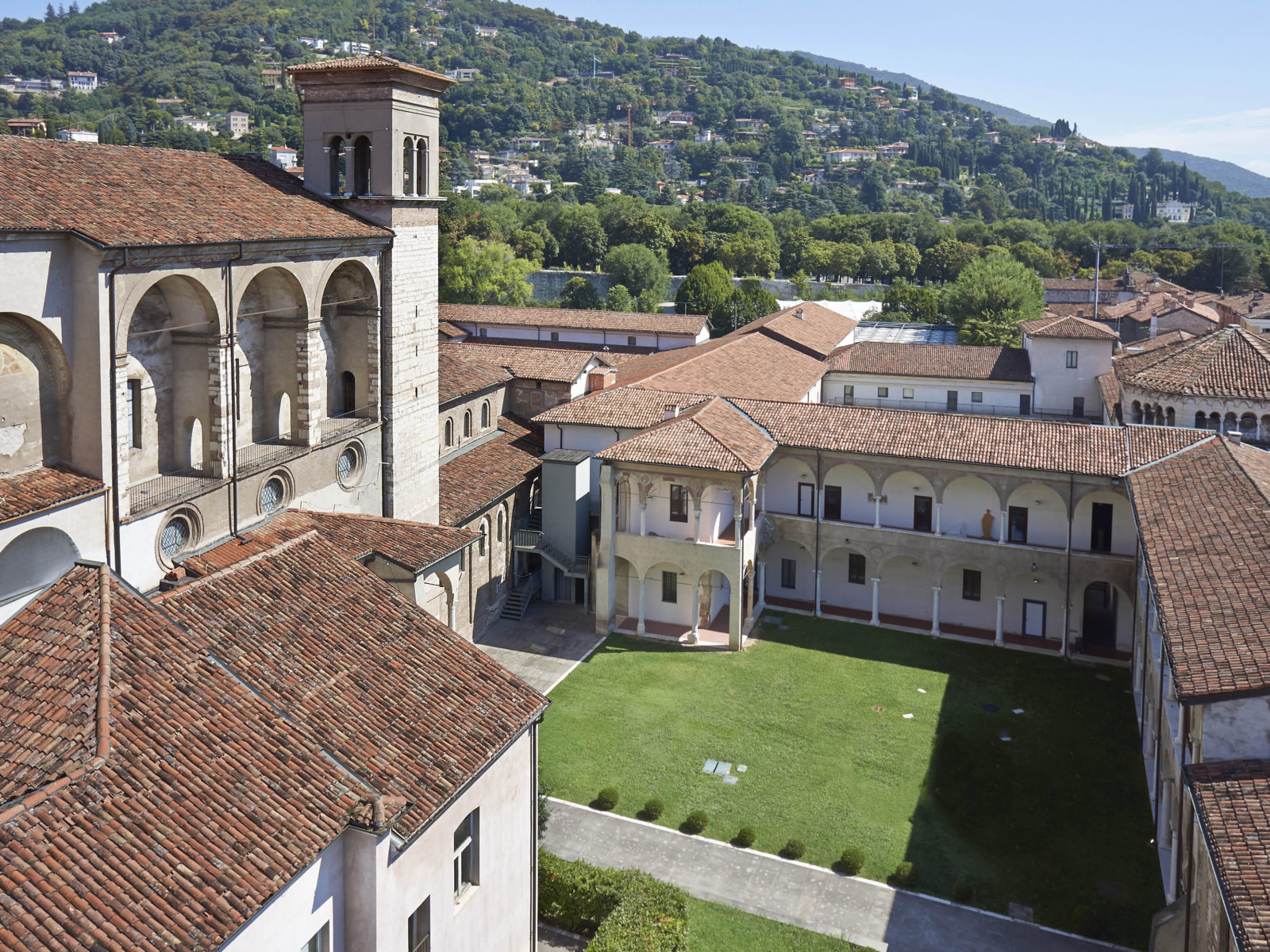
Unique in Italy and in Europe due to its display concept and location, this museum set in a monastic complex of Longobard origin, offers a journey through Brescia’s history, art and spirituality from prehistoric times to the present day across an exhibition area of approximately 14,000 square metres.
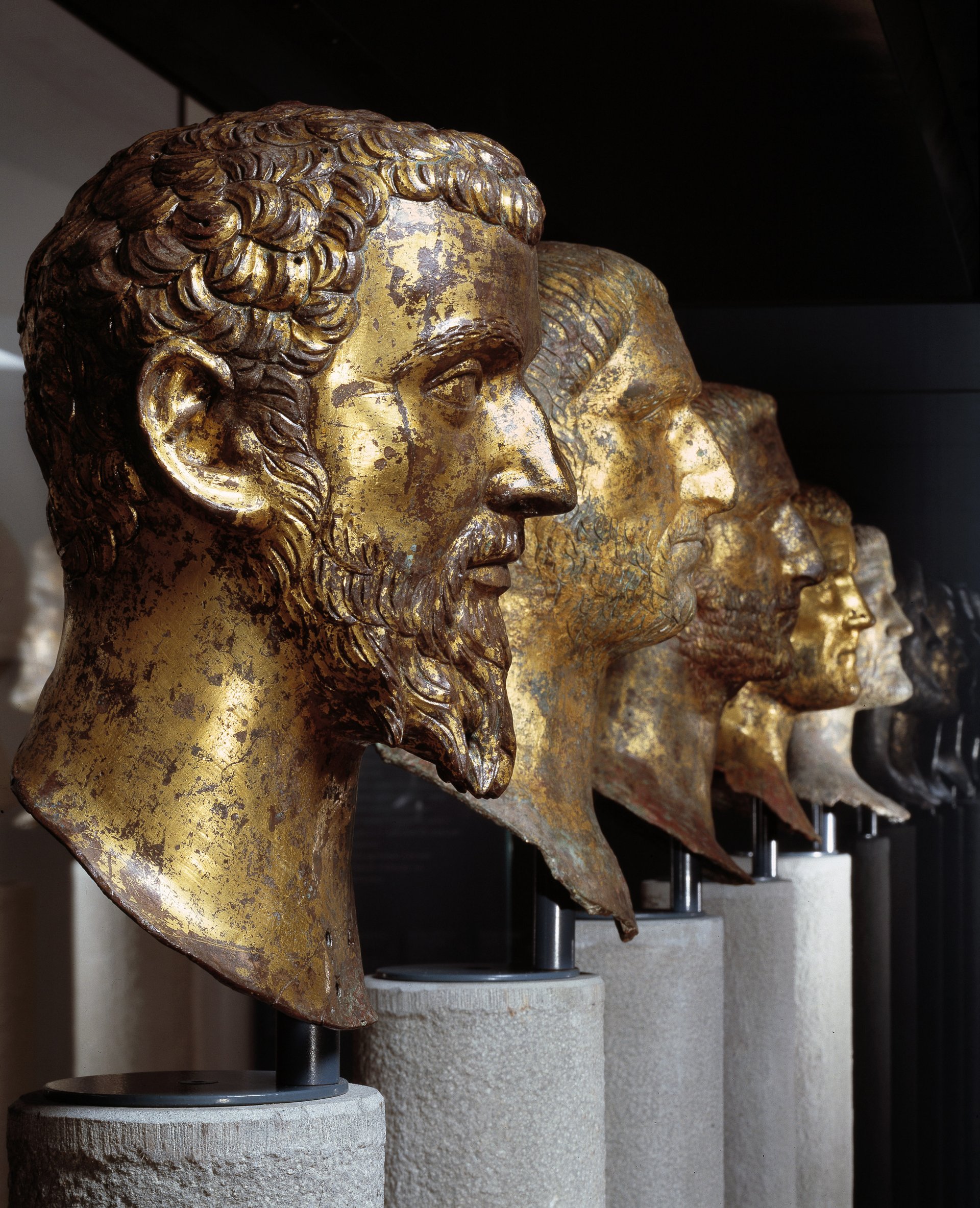
Inside the monumental complex, the Santa Giulia Museum sections are arranged in chronological and thematic order, with thousands of extraordinary pieces from the 4th millennium BCE to the 18th century.
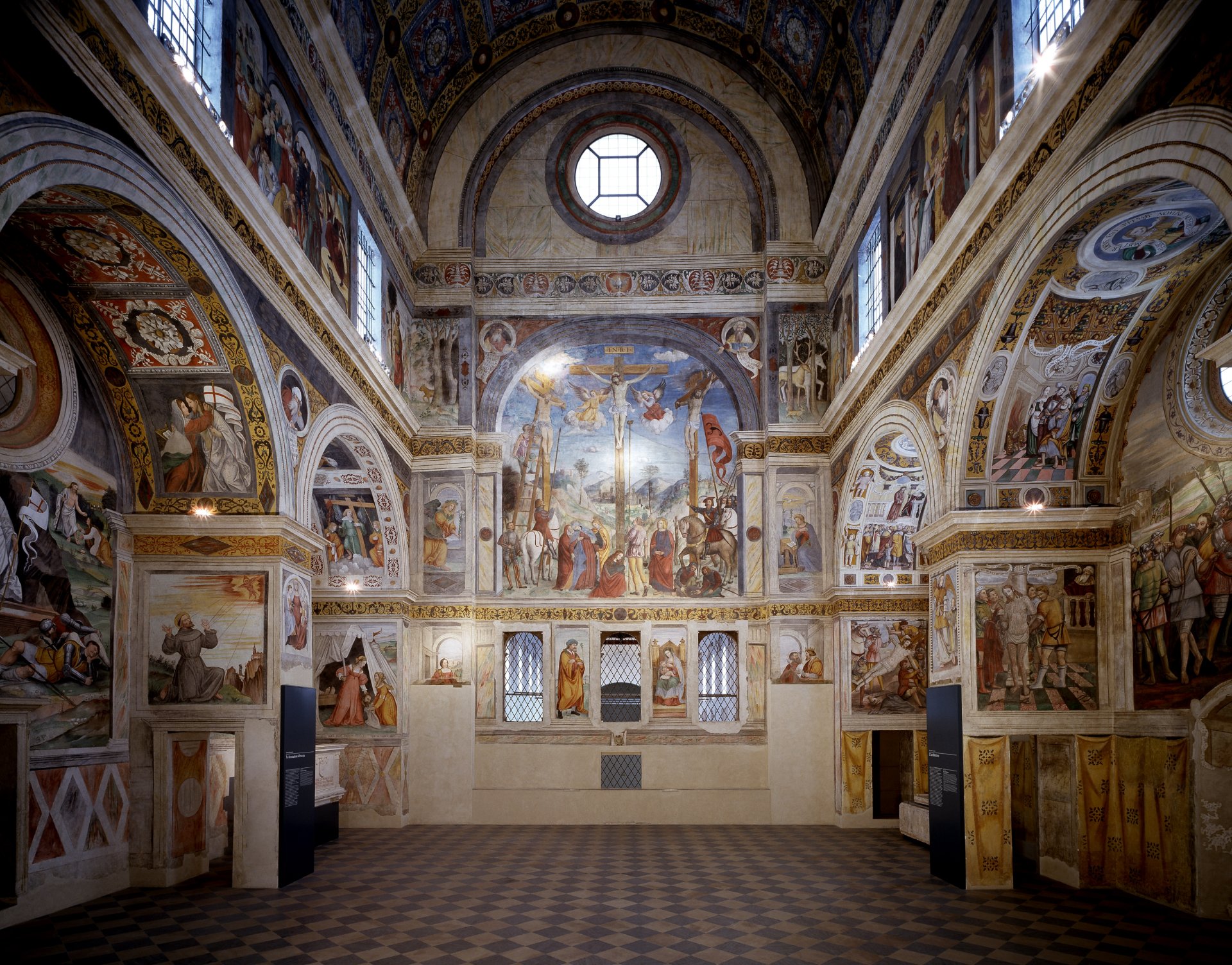
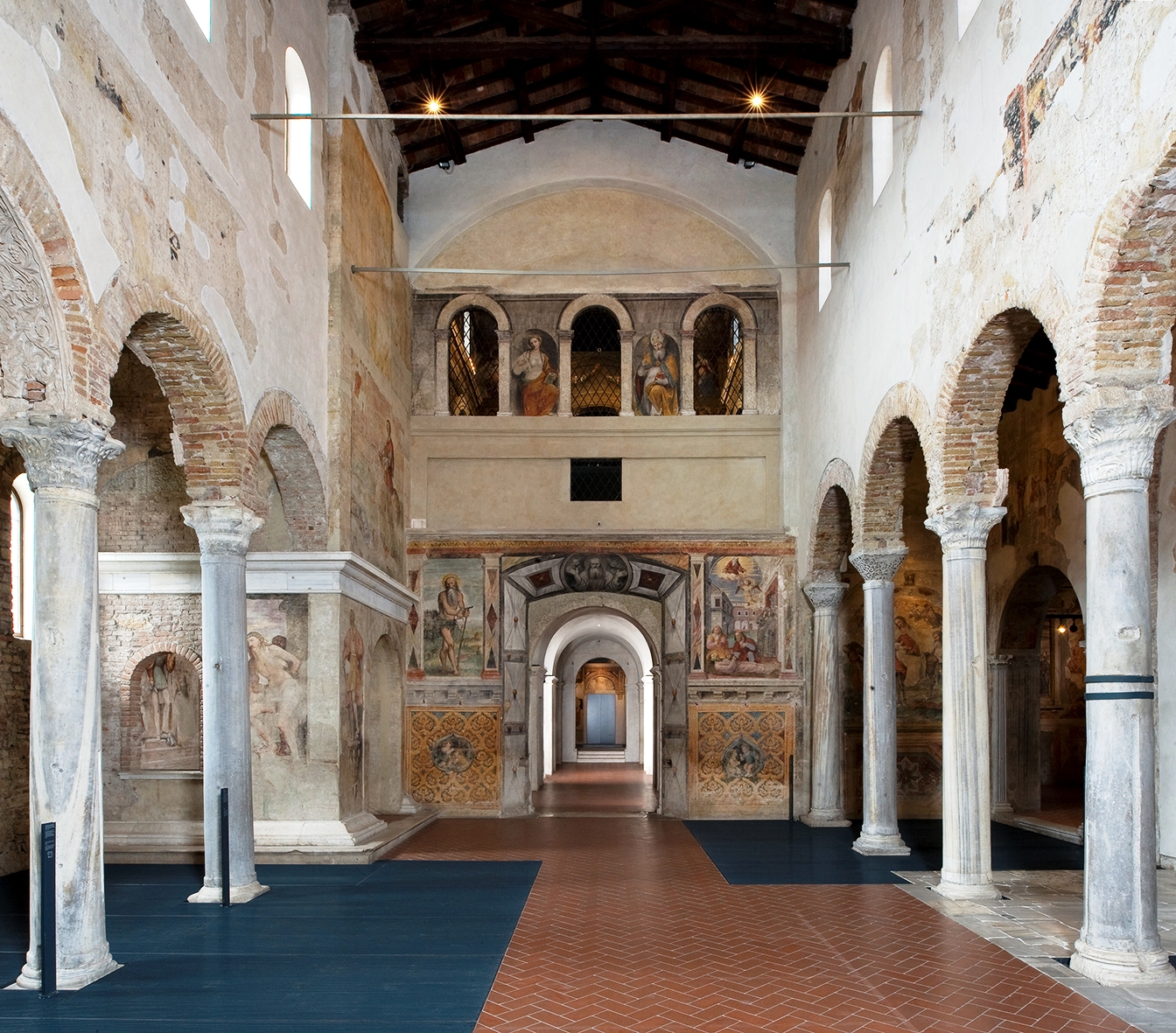
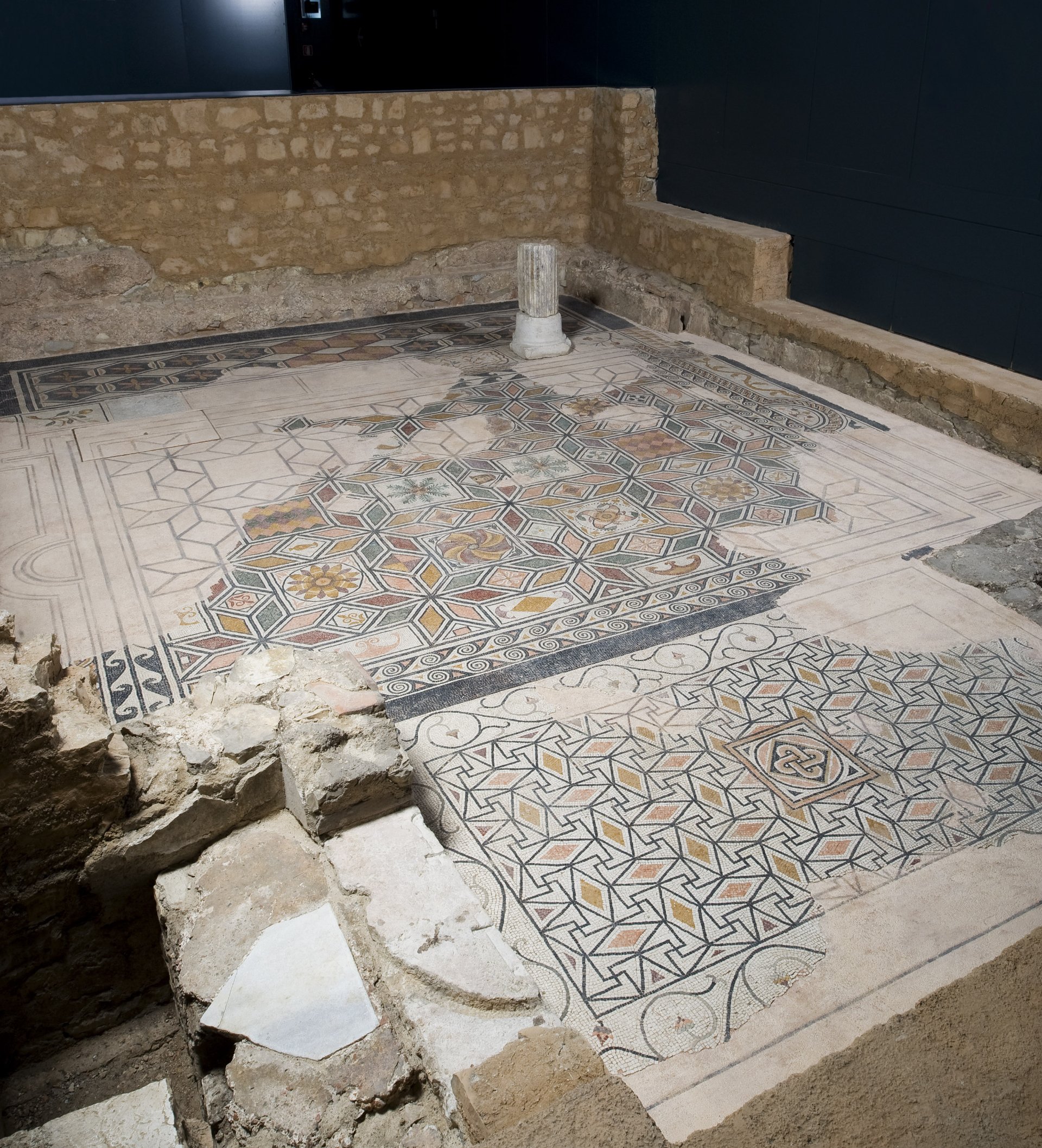
Visiting routes across the complex lead visitors to the discovery of monastic spaces and significant architectures such as, for example, an archaeological area with two Roman era houses (1st and 3rd centuries CE), the Longobard basilica of San Salvatore (8th century CE), the Choir of the Nuns (early 16th century) and the Romanesque Oratory of Santa Maria in Solario (12th century), where the nuns kept the monastery treasure. Two items of this treasure still survive: the Lipsanotheca, a precious ivory reliquary casket, and the Cross of Desiderius, a Carolingian goldsmith’s work ornated with 212 gemstones.
Since 25 June 2011, the monumental complex of San Salvatore – Santa Giulia and the Roman Brescia Archaeological Park have been included in the World Heritage List, promoted by UNESCO in the serial site “The Longobards in Italy. The Places of Power (568–774 CE)”.
We recommend buying tickets before the visit.