Museo Diocesano Carlo Maria Martini
Open to the public since 2001, in the heart of the Ticinese district and surrounded by the greenery of the Parco delle Basiliche, the Museo Diocesano Carlo Maria Martini stands within the evocative setting of the Cloisters of Sant’Eustorgio.
Set in the silence of the second cloister, the Museo Diocesano Carlo Maria Martini today preserves in its rooms more than a thousand works, ranging from the third century AD to the present day: paintings, sculptures, tapestries, manuscripts and precious works of goldsmithery that bear vivid witness to the rich artistic output of the Ambrosian tradition, while also offering a fascinating overview of collecting taste, both archiepiscopal and private.
The mainstay of the Museum’s collection is formed by a wide variety of works from across the Diocese, while another substantial group of paintings comes from the Archbishop’s Picture Gallery. Among the artists, the names that stand out include Bergognone, Marco d’Oggiono, Tintoretto, Guido Reni, Giulio Cesare Procaccini, Morazzone, Cerano, Magnasco, Londonio, Panini, Previati and Hayez, through to Congdon, to name but a few.
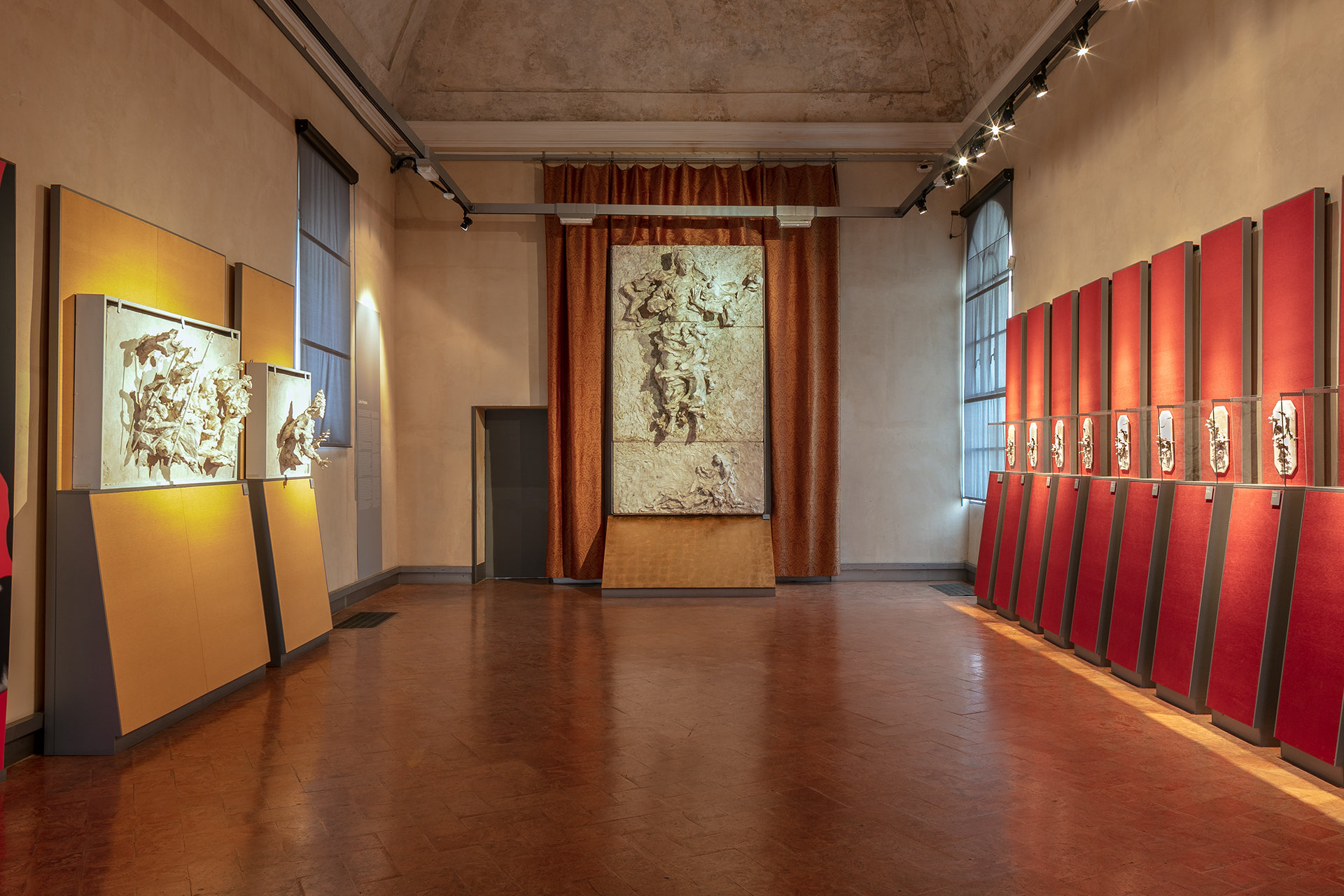
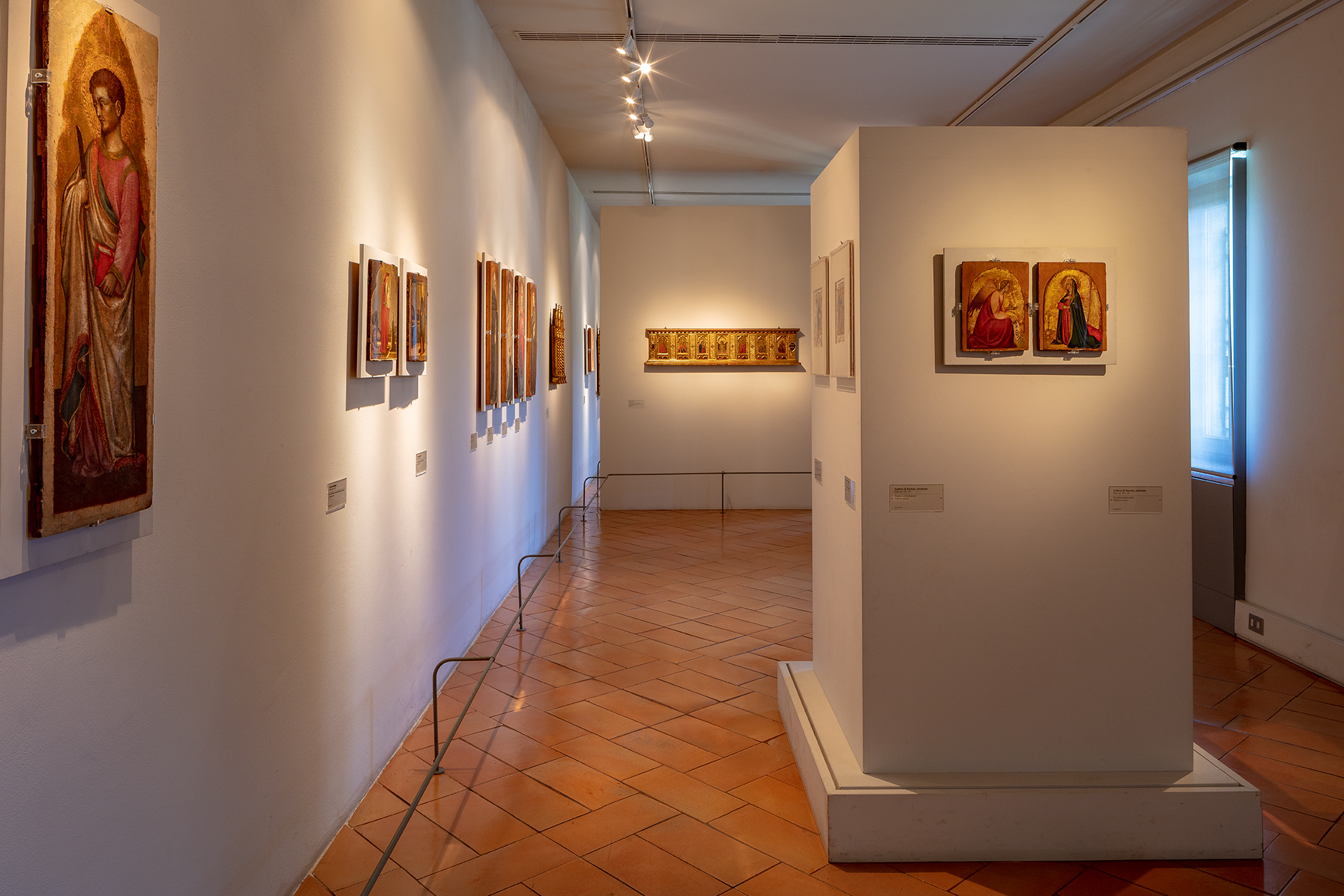
Alongside these important core holdings are the precious Fondi Oro (gold-ground paintings), works mostly of the Tuscan school of the fourteenth and fifteenth centuries, donated to the Museum by the Milanese jurist Alberto Crespi; the wooden sculptures from the collection of Caterina Marcenaro; the drawings from the collection of the banker Antonio Sozzani; and the precious Schubert bequest. Finally, the important section devoted to the sacred sculptures of Lucio Fontana has, over time, been joined by numerous works, including paintings, sculptures and photographs of the twentieth and twenty-first centuries, attesting to the Museum’s growing interest in the contemporary.