La favolosa battaglia dei topi e delle rane
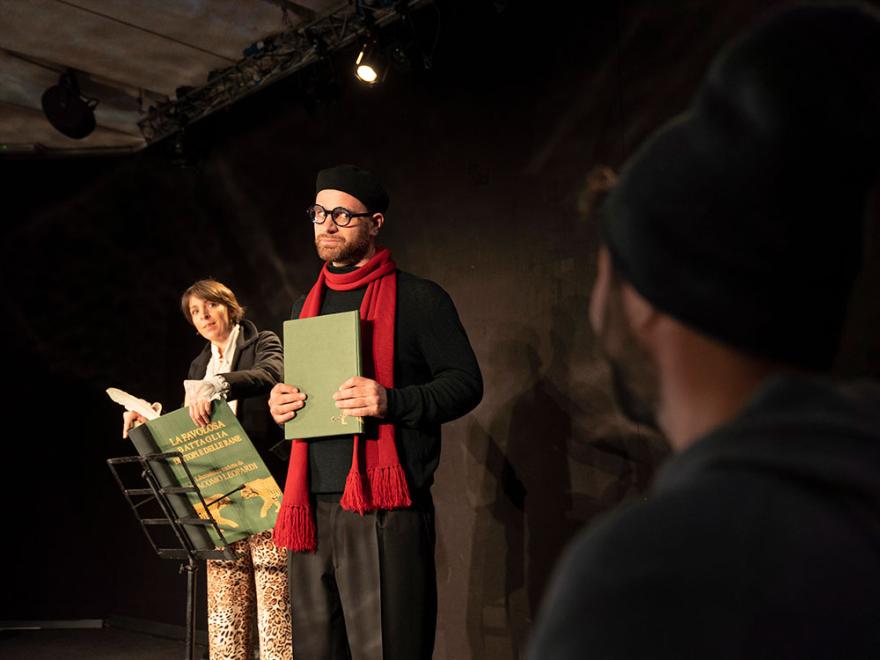
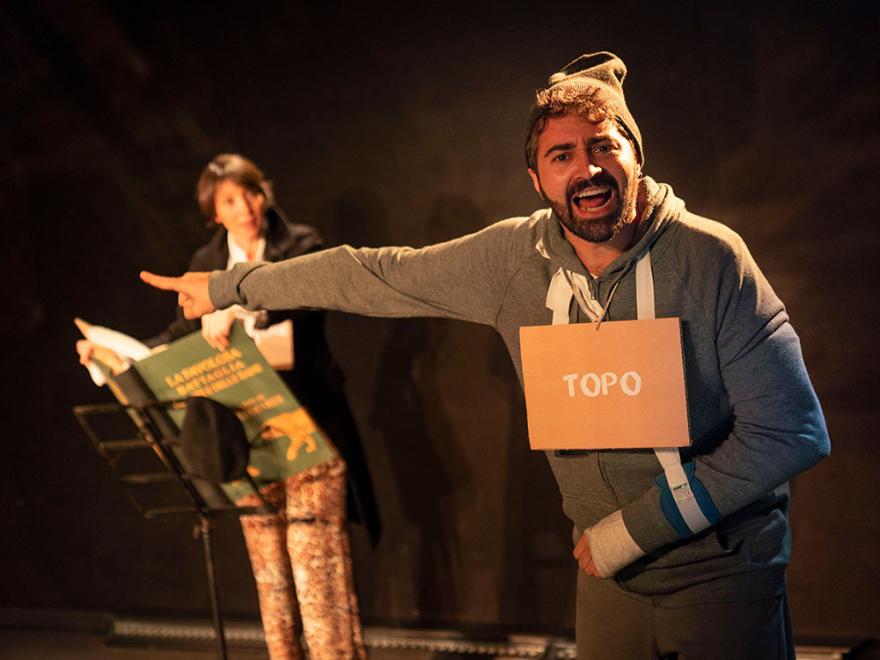
Treating the theatre as an instrument for learning and play, La favolosa battaglia dei topi e delle rane discusses war with children, above all, examining how we address the subject of war. Led by actors through simple actions on stage, our young audiences are called on to take part in the show, playing with words and learning while having fun.
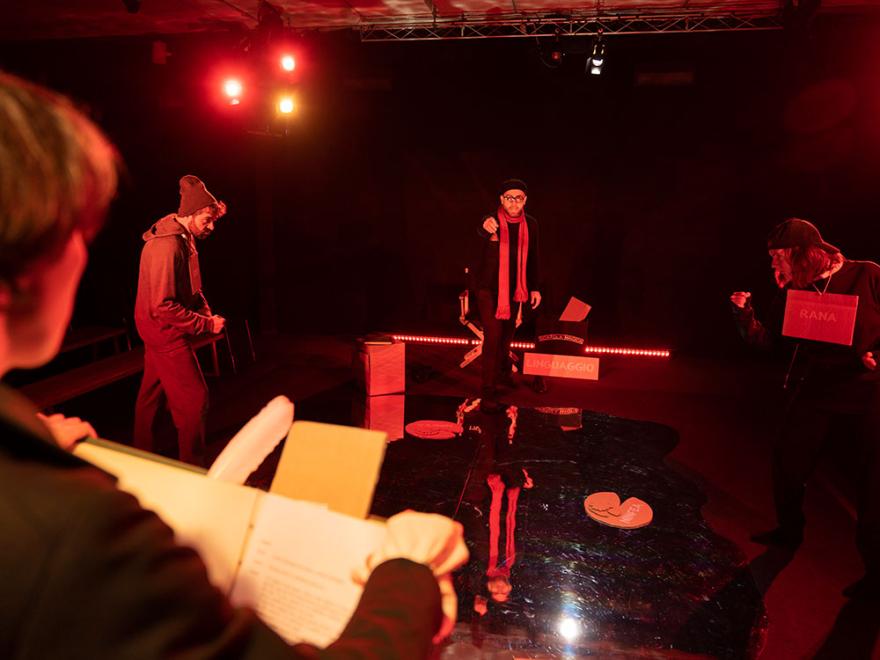
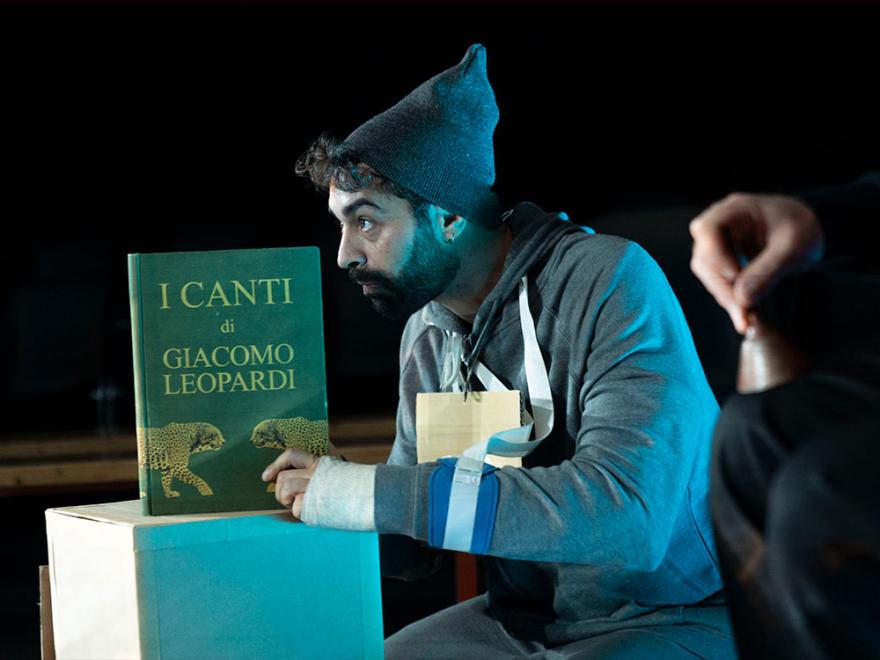
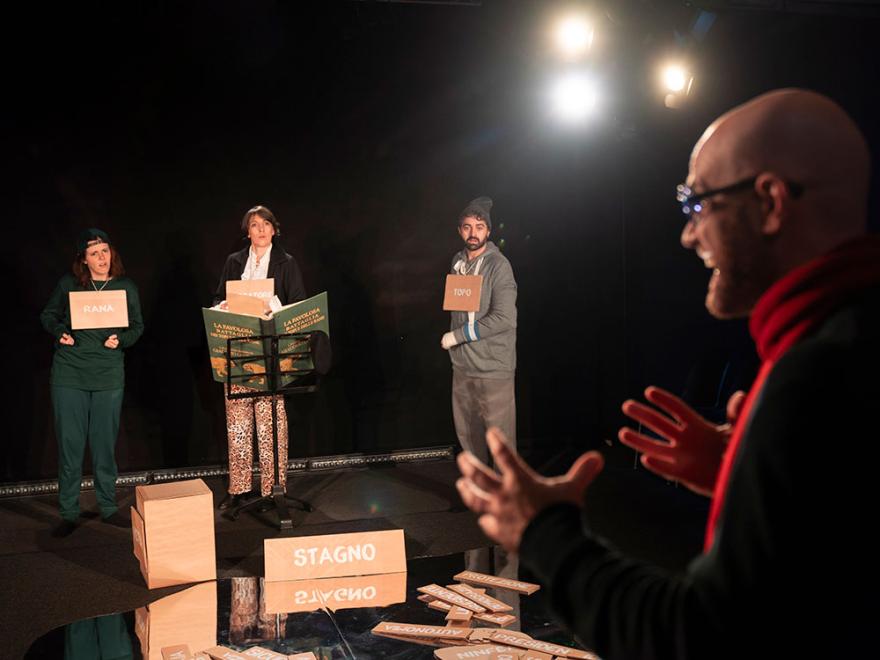
Elementary school children are invited to the Piccolo with La favolosa battaglia dei topi e delle rane, a revisitation of the pseudo-Homeric poem previously re-written by Leopardi that allows us to address the subject of war, above all examining how to talk about war. The subject is tackled with irony, allowing, however, a glimpse of the profound seriousness of a project of this genre; understanding what certain tales can teach us about the reality – often painful – that we are currently experiencing. The play is staged in the Scatola Magica, an ideal location as it allows younger children to experience the magic of an art form that plays with words and things, with stories and action. There is no division between the audience and the stage; actors occupy the same space as the spectators, with whom they play, inviting them to take part in the show through simple stage actions. The involvement of children is essential; the idea is not only to learn by listening or watching, but above all by doing, by participating. To understand from a very early age that learning is impossible without experience, through theatrical play to be interpreted as an initial example of social practice. The show, which is small in scale and lasts for one hour, sees the participation of four actors. It is a streamlined, essential and direct staging, one that seeks to establish a form of complicity that is fundamental for bringing children closer to the theatre, thus fostering future audiences.
Duration: 1 hour without intermission